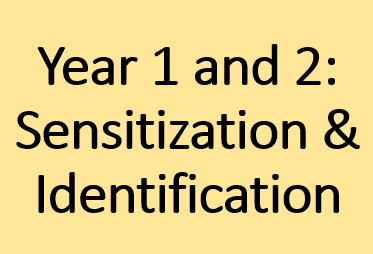
Students to understand definition and the basic of ethical (bioethics) principles, humanities, legal and professionalism in medicine.
Students to understand the importance of learning ethics.
Students to gain sensitivity on culture and humanity (indicators required).
Students to comprehend and internalize the basic nature and culture of doctor as a profession (Good Medical Practice, Good Ethical Practice).
Students to develop skills in identifying ethical dilemma and humanity in various situation.
Students to understand the problems of social, legal, professionalism and health institution management related to the profession of physician.
Students to develop capacity in identifying problems of ethics, legal, professionalism and humanities related to the profession of physician in various settings/contexts. (not limited to doctors as health service providers, but also to the extend of doctors as researchers, educators, including public health sectors understanding).
-------
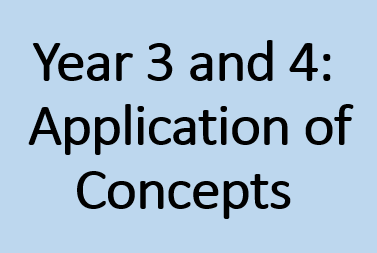
Students to develop skills to discuss ethical dilemmas faced by doctors and make compromised decision which can be justified scientifically and morally.
Students to develop skills to analyze and find alternative solutions to problems from the perspectives of legal, professionalism and humanities.
Students to be able to discuss ethical problems found in various specific issues related to certain medical conditions.
Students to do a self-reflection on “personal quality” and internalize values and culture inherent to medical profession.
Students to understand how medical profession organization, hospitals, and legal systems deal with the problem of ethics and professionalism in medicine.